What Should You Eat for Healthy Hair Growth?
Learn which foods support healthy hair, how low iron or protein can contribute to shedding, and when to seek a hair-loss evaluation.
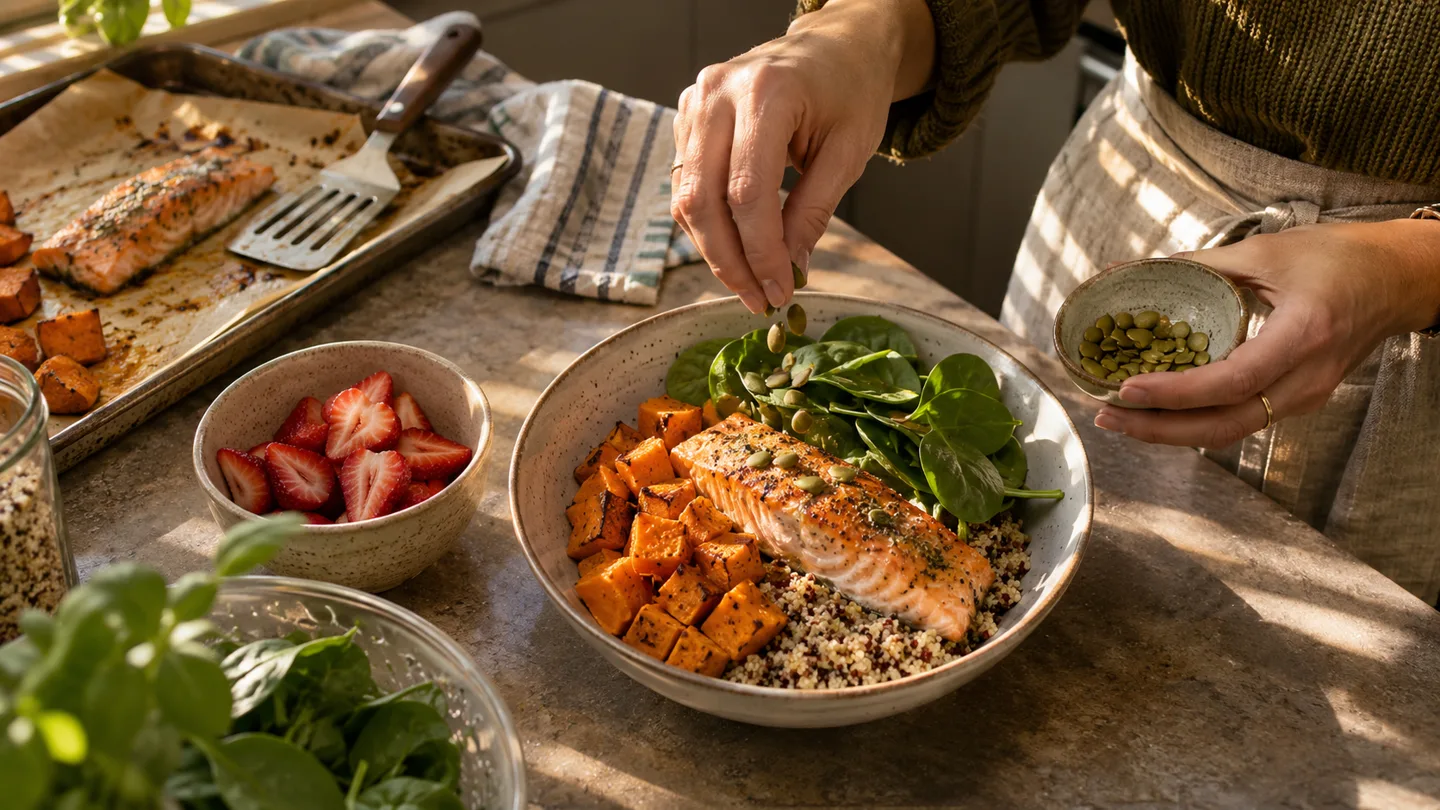
A varied diet with enough calories, protein, iron, zinc, essential fats, and vitamins supports normal hair growth. Eggs, salmon, leafy greens, berries, and seeds are easy places to start. Correcting a nutritional deficiency may help reduce shedding. If you notice patchy loss, a widening part, or continued thinning, ask a clinician to identify the cause.
Which foods provide nutrients that support hair growth?
Start with a protein source, add colorful produce, and rotate in nuts, seeds, or avocado. Each food contributes a different mix of nutrients, so variety matters more than a single ingredient. The amounts below show how common foods contribute to daily nutrient intake. They cannot predict whether you’ll see regrowth.
| Food | What it provides | How to use it |
|---|---|---|
| Eggs | Protein, biotin, zinc, and selenium | Add a hard-boiled egg to lunch or make a spinach omelet. |
| Fatty fish | Salmon and tuna provide protein, omega-3 fats, vitamin B12, and varying amounts of vitamin D. | Serve salmon with greens or add canned tuna to a salad. |
| Avocados | Unsaturated fats and vitamin E | Add to toast, a grain bowl, or a salad. A 100 g portion provides about 14% of the vitamin E Daily Value. |
| Berries | Vitamin C and other antioxidants | Mix strawberries or blackberries into yogurt or oats. A 100 g portion of strawberries supplies about 65% of the vitamin C Daily Value. |
| Dark leafy greens | Spinach supplies folate, nonheme iron, and vitamins A and C. Kale provides carotenoids and other antioxidant compounds. | Add a squeeze of lemon or serve with berries to help absorb plant-based iron. |
| Oysters | Rich in zinc, a mineral involved in normal cell growth | Choose cooked oysters if you eat shellfish. |
| Seeds | Sunflower seeds provide vitamin E and B vitamins. Pumpkin seeds provide iron, zinc, and some selenium. | Sprinkle either on oatmeal or greens. An ounce of dry-roasted sunflower seeds provides 49% of the vitamin E Daily Value. |
| Nuts | Almonds provide unsaturated fat, vitamin E, B vitamins such as riboflavin, and some zinc. | Keep a small handful handy for a snack or add to a salad. |
| Sweet potatoes | Beta-carotene, which the body converts into vitamin A | Roast a batch for meals. One hundred grams of baked flesh supplies about 107% of the vitamin A Daily Value. |
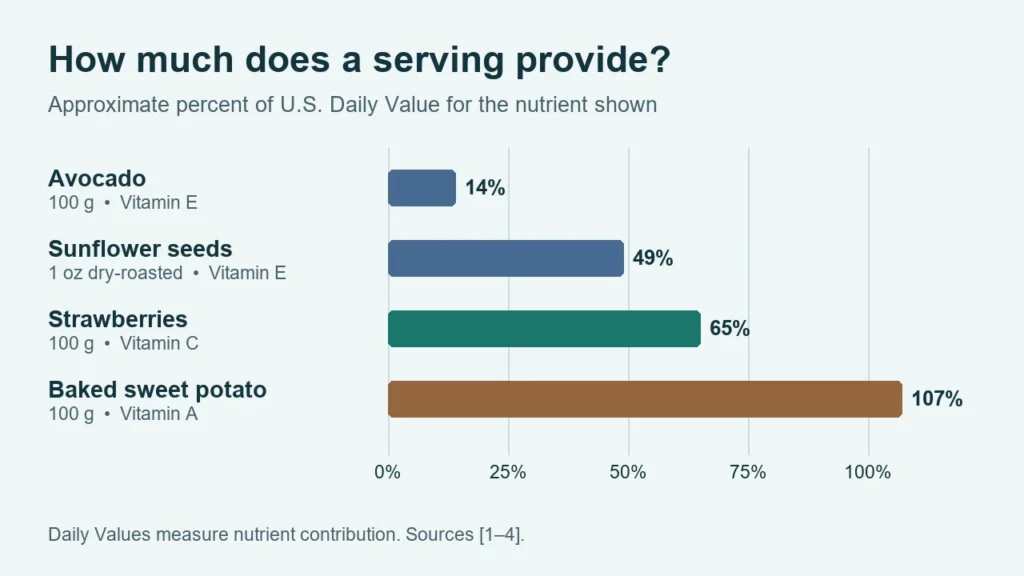
Food composition sources [1–4]. Nutrient amounts vary with the variety, preparation, and portion. The Daily Value is a label reference for nutrient intake.
What can you drink to support healthy hair?
Water is a practical default for hydration. Milk or a fortified soy beverage can add protein and vitamin D, depending on the label. A smoothie with berries and plain yogurt can make protein and vitamin C easier to fit into breakfast. There’s no good evidence that a particular juice, tea, or “hair growth” drink reverses hair loss. [12]
Can a nutritional deficiency cause hair shedding?
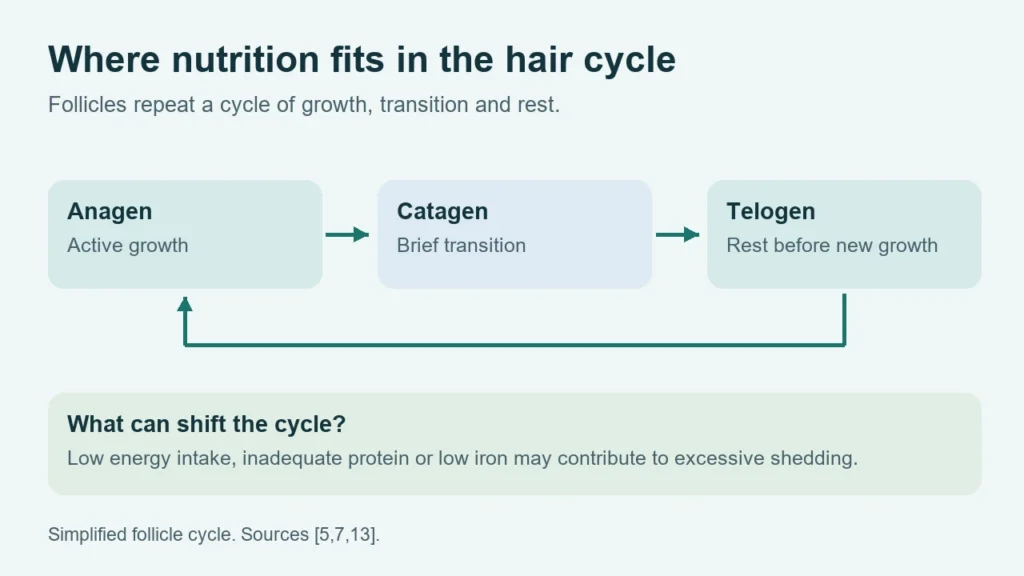
Hair follicles cycle through growth, transition, and rest. Cells in the growing follicle divide quickly and depend on an adequate supply of energy and nutrients. Too little protein or iron, or a major dietary restriction, can contribute to diffuse shedding. Age, genetics, medicines, and health conditions can also change how hair grows.
- Protein and biotin. Hair shafts are largely keratin, a structural protein built from amino acids. Biotin helps enzymes involved in metabolism. True biotin deficiency can cause thinning, but evidence for extra biotin in people who get enough is limited. High-dose biotin can also interfere with certain blood tests. [5–7]
- Iron and zinc. Iron helps red blood cells deliver oxygen to tissues. Too little iron can contribute to shedding, though a ferritin result needs clinical context. Zinc supports cell division and normal follicle function. Studies linking zinc levels with some forms of hair loss are insufficient to predict who will regrow hair with supplements. [5,8]
- Vitamins A, C, D, and E. Vitamin A signaling helps regulate the follicle and its oil-producing sebaceous gland. Vitamin C supports collagen formation and helps absorb plant iron. Vitamin D has a role in follicle biology. Vitamin E and compounds in foods such as blackberries have antioxidant activity, but evidence that eating any one of them improves scalp health or regrows hair is limited. [2,5,9]
Does eating fish reverse thinning?
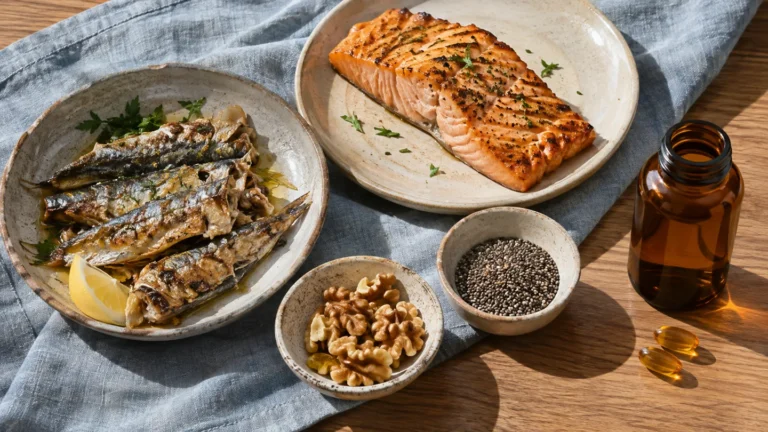
In a six-month comparative study of 120 women, a supplement containing omega-3 and omega-6 fats plus antioxidants improved photographic measures of hair density relative to the control group. The study tested a multi-ingredient supplement. It did not determine which ingredient contributed to the results or whether eating fish would have the same effect. Fish is still a useful source of protein and fats in a varied diet. [10]
Are there foods or supplements to avoid for hair loss?
Focus first on getting enough food and protein. Rapid weight loss and restrictive eating can trigger shedding. Research has explored links between refined carbohydrates, high-fat diets, and scalp oil, but evidence directly tying bread, sweets, fried foods, or red meat to hair loss is limited. Excess vitamin A or selenium from supplements can contribute to shedding.
Some sources propose that highly refined carbohydrates may influence sebum and inflammation. Claims about fried foods or red meat increasing scalp oil are also uncertain. Someone who eats red meat may get useful protein, zinc, and iron from it. A balanced pattern can include red meat in moderation or provide those nutrients through other foods. [5,11]
Review any hair, skin, and nail products along with your multivitamin. Supplements can overlap in vitamin A, selenium, iron, and zinc. Ask your clinician before taking a high-dose supplement and tell them about biotin before blood work. [5,6,8]
When should you get hair loss checked?
Arrange an evaluation for sudden or patchy loss, a painful or inflamed scalp, or ongoing thinning. A clinician can review your diet, medicines, health history, and the pattern of hair loss. Blood tests can be useful when a deficiency is suspected. Treatment should address what’s driving the shedding or thinning.
- Look at the pattern. Diffuse shedding can follow major illness, stress, or rapid weight loss and often begins months after the trigger. A slowly widening part or receding hairline can point to pattern hair loss. Patchy or symptomatic loss warrants evaluation. [8,13]
- Bring a short history. Note when you noticed the change and any recent illness, weight changes, restrictive eating, new medications, or supplements. Photos taken in similar light can help a clinician assess the pattern.
- Ask what treatment fits. A board-certified physician may evaluate for nutritional or medical causes. A dermatologist can assess the scalp and discuss treatments such as topical minoxidil when the diagnosis calls for it. [8]
Common questions about PEPLIX HEALTH
If you’re considering care through Peplix Health, ask who conducts the medical evaluation, when lab testing may be useful, and whether an in-person scalp exam would help. Monarch Brands LLC handles management. Independent licensed clinicians make medical decisions, including whether to prescribe a treatment and how to monitor it.
Can I discuss hair shedding and nutrition in a Peplix Health consultation?
Ask about the scope of the visit and whether your symptoms are suitable for telehealth. Your evaluating physician can review your symptom history, diet, medicines, and supplements and determine whether testing or an in-person dermatology exam is appropriate.
Does a hair-loss visit automatically include a prescription?
A prescription depends on the diagnosis, your history, and the independent physician’s assessment. If medication is appropriate, the clinician can select the product, dose, and monitoring. Nutrition concerns may call for dietary changes or evaluation for a deficiency.
Who would fill a compounded prescription?
When a physician identifies a patient-specific need for a compounded medicine and federal and state requirements are met, a state-licensed pharmacy operating under Section 503A can prepare it from a valid prescription for that patient. FDA approval applies to approved manufactured products. Ask which pharmacy would fill your prescription and what alternatives are available. [14]
This article is for education. Discuss persistent hair loss or any change in medications or supplements with a licensed healthcare professional.
For consultation information, see our vitamins and wellness guide or start an online assessment.
Sources
- USDA FoodData Central — raw avocado
- USDA FoodData Central — raw strawberries
- USDA FoodData Central — baked sweet potato
- NIH Office of Dietary Supplements — vitamin E
- Almohanna et al. — vitamins, minerals, and hair loss
- NIH Office of Dietary Supplements — biotin
- StatPearls — hair follicle anatomy and cycling
- American Academy of Dermatology — diagnosing and treating hair loss
- Everts — retinoids in the follicle and sebaceous gland
- Le Floc’h et al. — omega fatty acids and antioxidants in women
- Goluch-Koniuszy — nutrition and hair loss in menopause
- NIH Office of Dietary Supplements — food sources of vitamin D
- American Academy of Dermatology — hair loss and shedding
- FDA — compounding and FDA approval
This article is for general education and is not medical advice. Talk with a licensed clinician before starting, stopping or changing any treatment. Compounded medications are not FDA-approved. See our safety information.
Keep reading
Wellness
Krill Oil vs Fish Oil for Omega-3s
Compare krill oil and fish oil for EPA and DHA, absorption, triglycerides, and side effects. Learn what to check on an omega-3 label.

Wellness
Sprinting Benefits and How to Start Sprint Interval Training
Learn how sprint intervals affect fitness and fat oxidation, how to start with controlled efforts, and how to fit sprinting into your week.

Wellness
CoQ10 Benefits, Dosage, and Safety
What does CoQ10 do? Explore the evidence for heart failure, fatigue, and statin symptoms, plus dosage, supplement forms, and interactions.