Why You Are Not Sleeping Well and What Helps
Learn why sleep feels unrefreshing, when to move caffeine earlier, what sleep supplements can do, and when to ask for insomnia or apnea care.
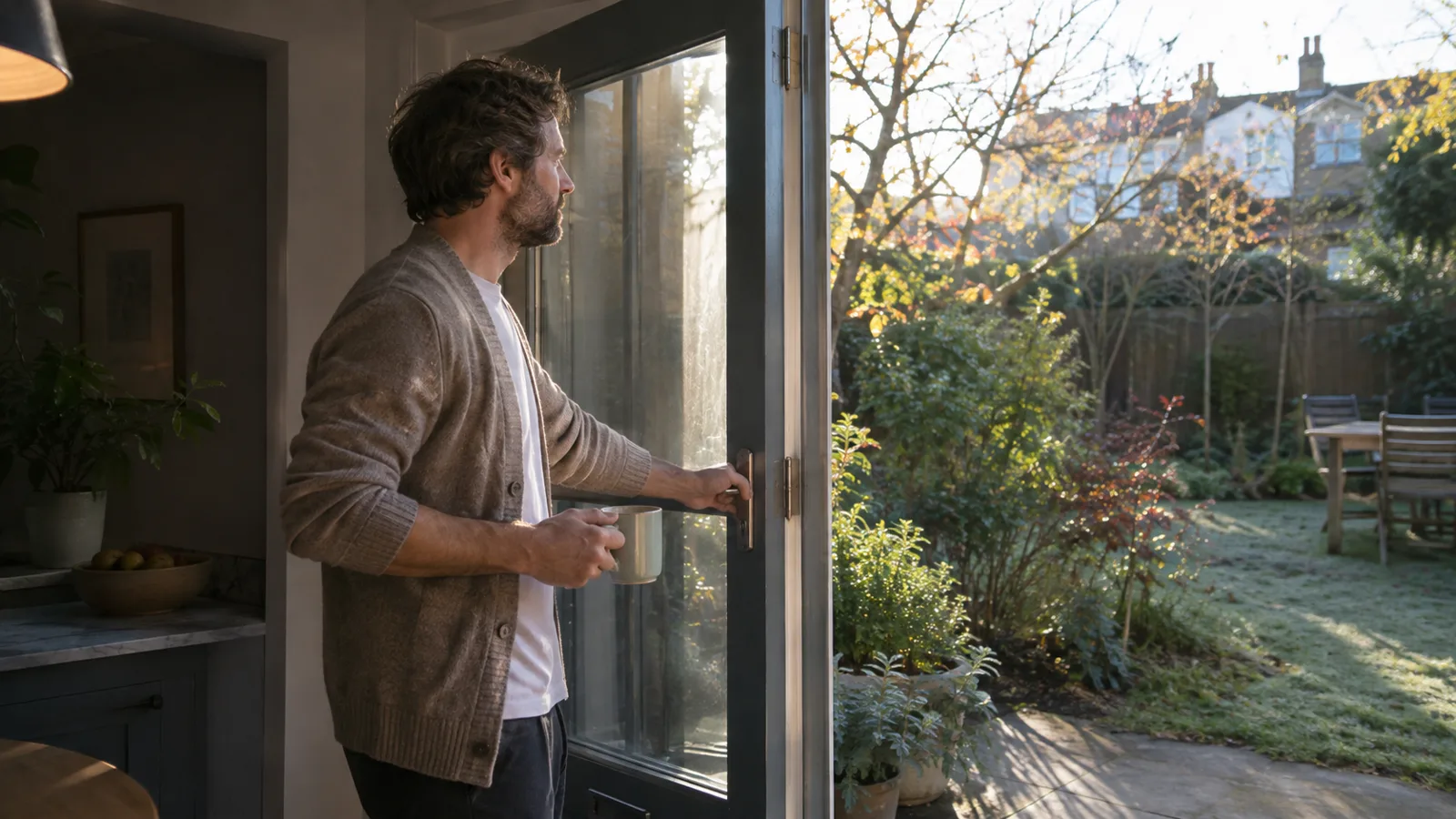
Poor sleep can come from a shifted body clock, habits that delay sleep, or a condition such as insomnia or sleep apnea. A consistent wake time, morning daylight, and earlier caffeine are reasonable starting points. If trouble falling or staying asleep keeps affecting your days, ask about evaluation and cognitive behavioral therapy for insomnia.
What controls sleep and why can you wake up tired?
Your body clock helps determine when you feel alert or sleepy, while sleep pressure builds during waking hours. At night, you move through lighter non-REM sleep, deep non-REM sleep, and REM sleep. You can spend eight hours in bed and still wake unrefreshed if you were awake often or your sleep was fragmented.
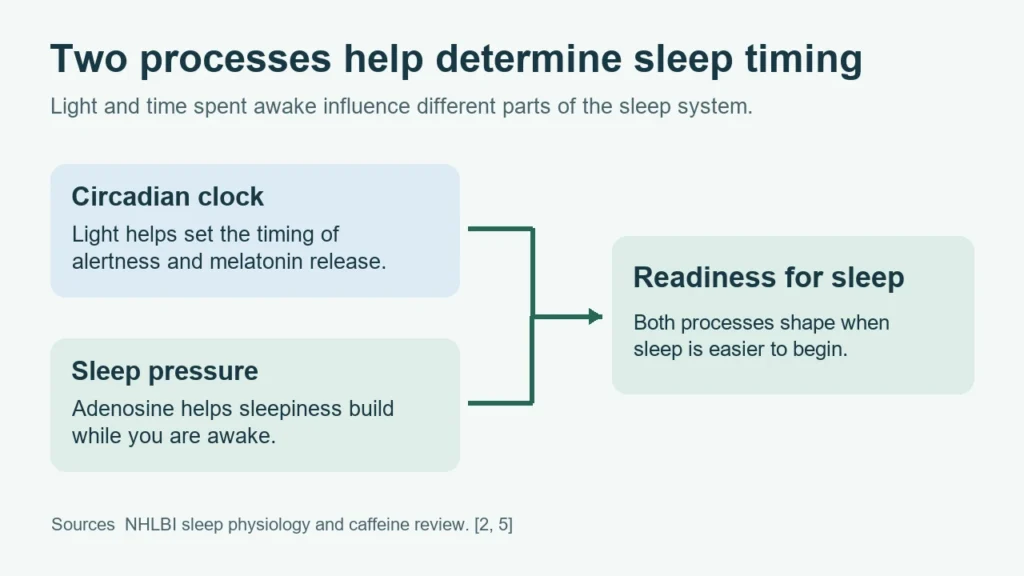
Sleep cycles usually restart every 80–100 minutes, with about four to six cycles per night. N1 is the transition to sleep, N2 is established sleep, and N3 is deep, slow-wave sleep. Deep sleep is more common early in the night, while REM periods generally lengthen toward morning. Slow-wave sleep is associated with a major growth hormone pulse. Both non-REM and REM contribute to brain function and memory. Sleep supports immune function, and research on brain waste clearance is ongoing. That process cannot be assigned to REM alone. [1–4]
Adenosine helps build sleep pressure, and caffeine blocks its receptors. Inhibitory GABA signaling helps quiet neural activity. Benzodiazepines enhance signaling at GABA-A receptors. Stress and heightened arousal can make it harder to sleep. The autonomic nervous system and cortisol are involved, but a cortisol result alone does not diagnose insomnia. Alcohol and some sleep medicines can change sleep patterns. If a prescription leaves you groggy, review it with your clinician before changing it. [2, 5–8]
Which habits can help you fall asleep and stay asleep?
Start with a regular wake time, outdoor light after waking, and a caffeine cutoff well before bedtime. Give yourself time to wind down and keep the bedroom cool, dark, and quiet. A warm bath or shower one to two hours before bed may help some people fall asleep a little faster.
- Set a regular wake time. Keep it similar on weekends. Get outside soon after waking if you keep a daytime schedule. Light helps set the circadian clock that governs when melatonin rises. Light therapy timing depends on the sleep problem. Ask about a light box if you have bipolar disorder, an eye condition, or take medicines that increase light sensitivity. [2, 9–11]
- Move caffeine earlier. A cautious starting point is about eight to ten hours before bedtime. A review estimated 8.8 hours for one 107 mg coffee, with earlier cutoffs for higher doses. Caffeine often has a half-life around five hours, with considerable individual variation. Include tea, energy drinks, and pre-workout in your count. [5, 9]
- Use temperature and downtime. Try a comfortably warm bath or shower one to two hours before sleep. Increased blood flow near the skin can help release heat afterward. Use a comfortably cool bedroom and spend the last 30–60 minutes on something quiet, such as reading or light stretching, with dim light and fewer screens. [9, 12]
Which sleep supplements have evidence?
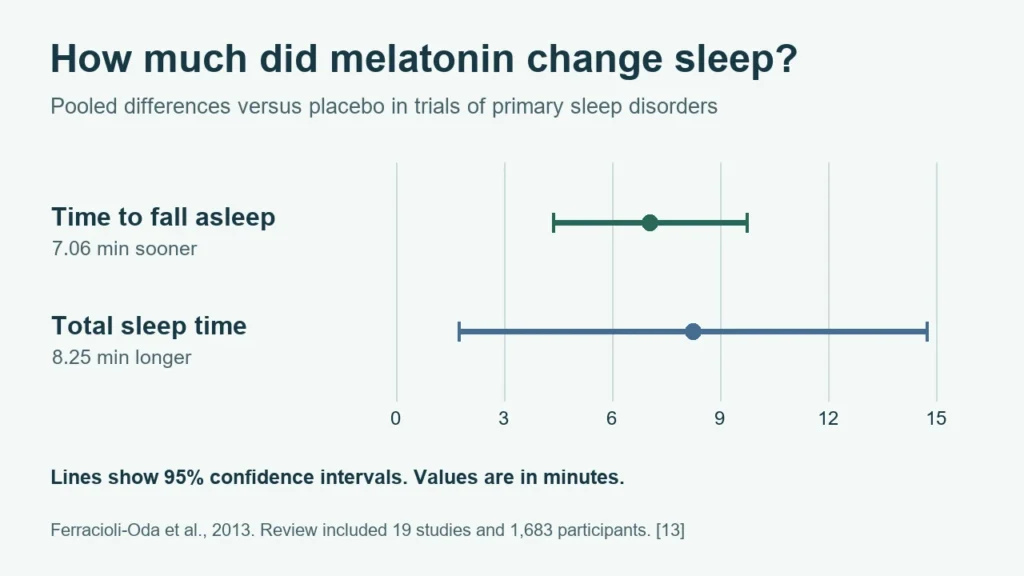
Melatonin can help shift sleep timing, and trials report small average improvements in time to fall asleep. Evidence for magnesium, valerian, chamomile, ashwagandha, and glycine varies and is often limited. If you already take a sleep medicine or other prescriptions, ask a clinician or pharmacist to review any supplement and its timing.
| Supplement | What research suggests | What to check |
|---|---|---|
| Melatonin | A pooled analysis found about seven minutes faster sleep onset. It can also help with some circadian timing problems, such as jet lag. [13, 14] | Timing can matter more than taking a larger dose. CDC notes 0.5–1 mg is often sufficient for a circadian shift. Jet lag and shift work require different timing plans. [14] |
| Magnesium | It contributes to nerve and muscle function. Possible GABA-related effects do not establish benefit from a particular supplement form. [15, 16] | Evidence is insufficient for chronic insomnia. Glycinate and L-threonate have been studied, with no established superiority. Review suspected deficiency or kidney disease with a clinician. [15–17] |
| Valerian and chamomile | Valerian has mixed trial results. GABA-related activity is proposed for valerian and apigenin, a chamomile compound. [15, 18] | Unsweetened chamomile tea can be part of a routine. Trials have not established either herb as a chronic insomnia treatment. [15, 18] |
| Ashwagandha and glycine | Small studies suggest possible sleep benefits. Glycine studies have used 3 g before bed, and cooling is one proposed mechanism. [19, 20] | The glycine evidence is limited, and ashwagandha studies vary by extract, duration, and population. Discuss interactions and relevant conditions before taking either. [19, 20] |
When should you get help for poor sleep?
Seek evaluation if sleep problems affect your daytime function, or if you snore loudly, gasp during sleep, or struggle to stay awake. Chronic insomnia usually involves symptoms at least three nights a week for three months or longer, despite adequate opportunity to sleep. Cognitive behavioral therapy for insomnia is a first-line treatment.
A sleep diary can help. Note bed and wake times, naps, nighttime awakenings, alcohol, caffeine, and medicine or supplement use. Mention grogginess, stress, shift changes, and witnessed pauses in breathing. A clinician can investigate contributors such as sleep apnea and medication effects. Seek care sooner if daytime sleepiness makes driving unsafe. [7, 21]
Cognitive behavioral therapy for insomnia (CBT-I) combines techniques such as stimulus control, adjusting time in bed, and addressing thoughts and behaviors that keep insomnia going. Sleep habits can support the plan. For chronic insomnia, clinical guidelines recommend multicomponent CBT-I over sleep hygiene alone. [7, 15]
Does topical oxytocin help you sleep?
A small human study found that intranasal oxytocin altered amygdala responses during a fear-related task. The study evaluated brain activity, rather than sleep. Direct administration into the brains of rats in a separate experiment delayed sleep onset and transiently reduced both REM and non-REM sleep. These routes and findings do not establish that a topical oxytocin cream improves sleep in humans. [22, 23]
Common questions about PEPLIX HEALTH
Peplix Health is a cash-pay telehealth service managed by Monarch Brands LLC. An independent, board-certified physician can review symptoms, medications, and health history and discuss appropriate care or referral. If a compounded prescription is clinically appropriate and eligible, a state-licensed pharmacy can fill it under applicable Section 503A and state requirements.
Can I ask about waking up at 2 a.m.?
Yes. Tell your physician how often it happens, how long you stay awake, and how you feel the next day. Mention alcohol, caffeine, work hours, snoring, and any sleep products you use. The pattern can guide evaluation. [7, 21]
Can I use melatonin every night for insomnia?
Discuss regular use with your clinician, particularly if symptoms persist or you take other medicines. Guidelines suggest against melatonin for chronic insomnia. Its role in shifting circadian timing is a separate question. [14, 15]
Does a 503A prescription mean a treatment is FDA approved?
Compounded medications do not undergo FDA premarket review for safety, effectiveness, or quality. Section 503A generally requires a valid prescription for an identified patient and compliance with other federal and state requirements. Pharmacy fulfillment does not establish that a treatment works for insomnia. [24, 25]
For consultation information, see our vitamins and wellness guide or start an online assessment.
Sources
- NHLBI. Sleep phases and stages.
- NHLBI. How sleep works.
- Van Cauter and Copinschi. Growth hormone and sleep.
- Systematic review. Sleep, cerebrospinal fluid, and the glymphatic system.
- Gardiner et al. Caffeine and subsequent sleep.
- Dressle et al. HPA axis activity in chronic insomnia.
- AASM. Behavioral and psychological treatment of chronic insomnia.
- Huedo-Medina et al. Non-benzodiazepine hypnotics in adult insomnia.
- NHLBI. Insomnia treatment and healthy sleep habits.
- CDC and NIOSH. Effects of light on circadian rhythms.
- ISBD. Clinical recommendations for bright light therapy.
- Haghayegh et al. Warm baths or showers before bedtime.
- Ferracioli-Oda et al. Melatonin meta-analysis.
- CDC Yellow Book. Jet lag disorder.
- VA and DoD. Chronic insomnia and obstructive sleep apnea guideline.
- Mah and Pitre. Magnesium for insomnia in older adults.
- Short randomized trials of bisglycinate and L-threonate.
- NCCIH. Sleep disorders and complementary approaches.
- Cheah et al. Ashwagandha and sleep meta-analysis.
- Soh et al. Systematic review of glycine in human adults.
- NHLBI. Insomnia diagnosis.
- Kirsch et al. Intranasal oxytocin and neural circuitry in humans.
- Lancel et al. Intracerebral oxytocin and sleep in rats.
- FDA. Federal provisions for human drug compounding.
- FDA. Compounding questions and answers.
This article is for general education and is not medical advice. Talk with a licensed clinician before starting, stopping or changing any treatment. Compounded medications are not FDA-approved. See our safety information.
Keep reading

Wellness
Krill Oil vs Fish Oil for Omega-3s
Compare krill oil and fish oil for EPA and DHA, absorption, triglycerides, and side effects. Learn what to check on an omega-3 label.

Wellness
Sprinting Benefits and How to Start Sprint Interval Training
Learn how sprint intervals affect fitness and fat oxidation, how to start with controlled efforts, and how to fit sprinting into your week.

Wellness
CoQ10 Benefits, Dosage, and Safety
What does CoQ10 do? Explore the evidence for heart failure, fatigue, and statin symptoms, plus dosage, supplement forms, and interactions.